
Handcrafted Raised Beds, Built the Right Way.

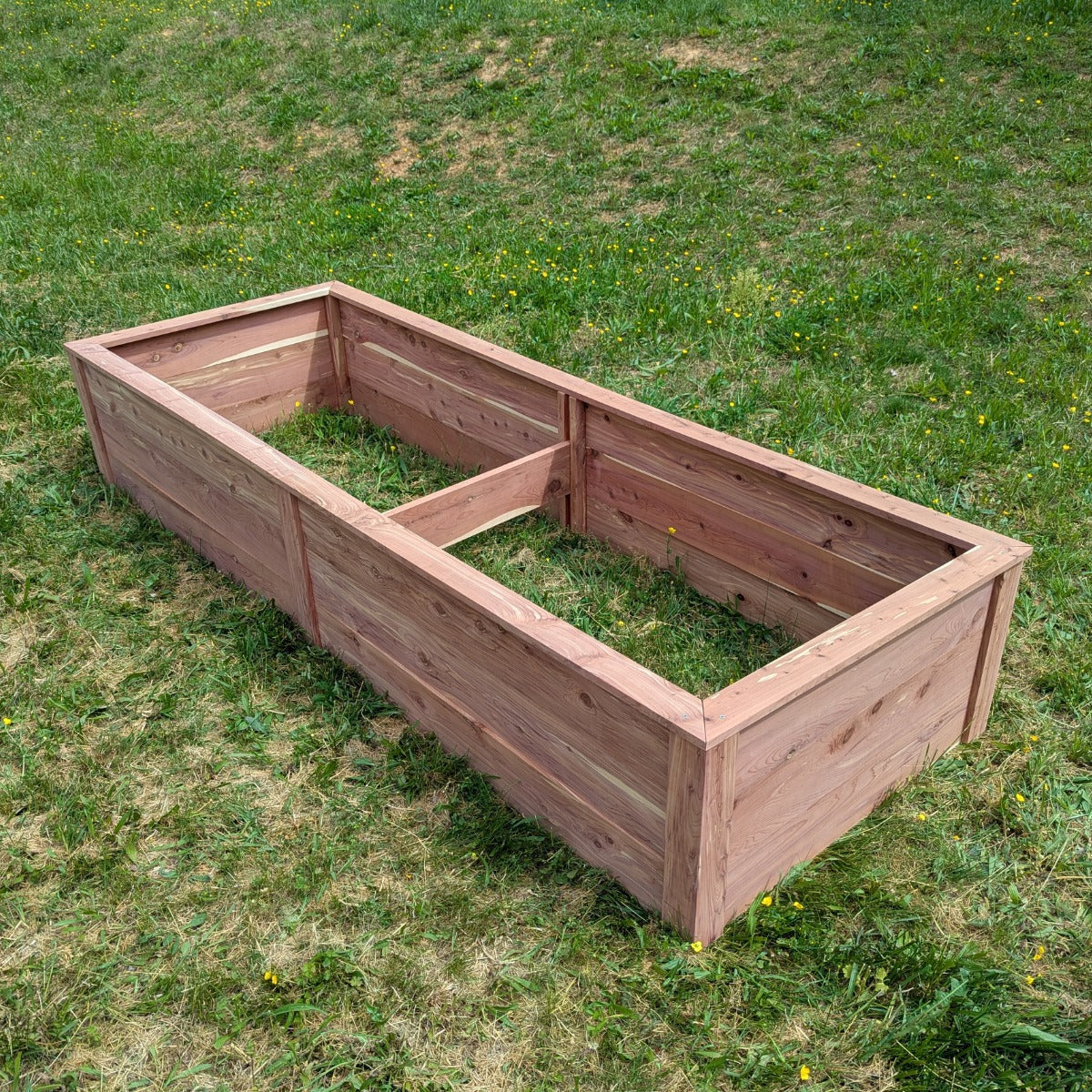

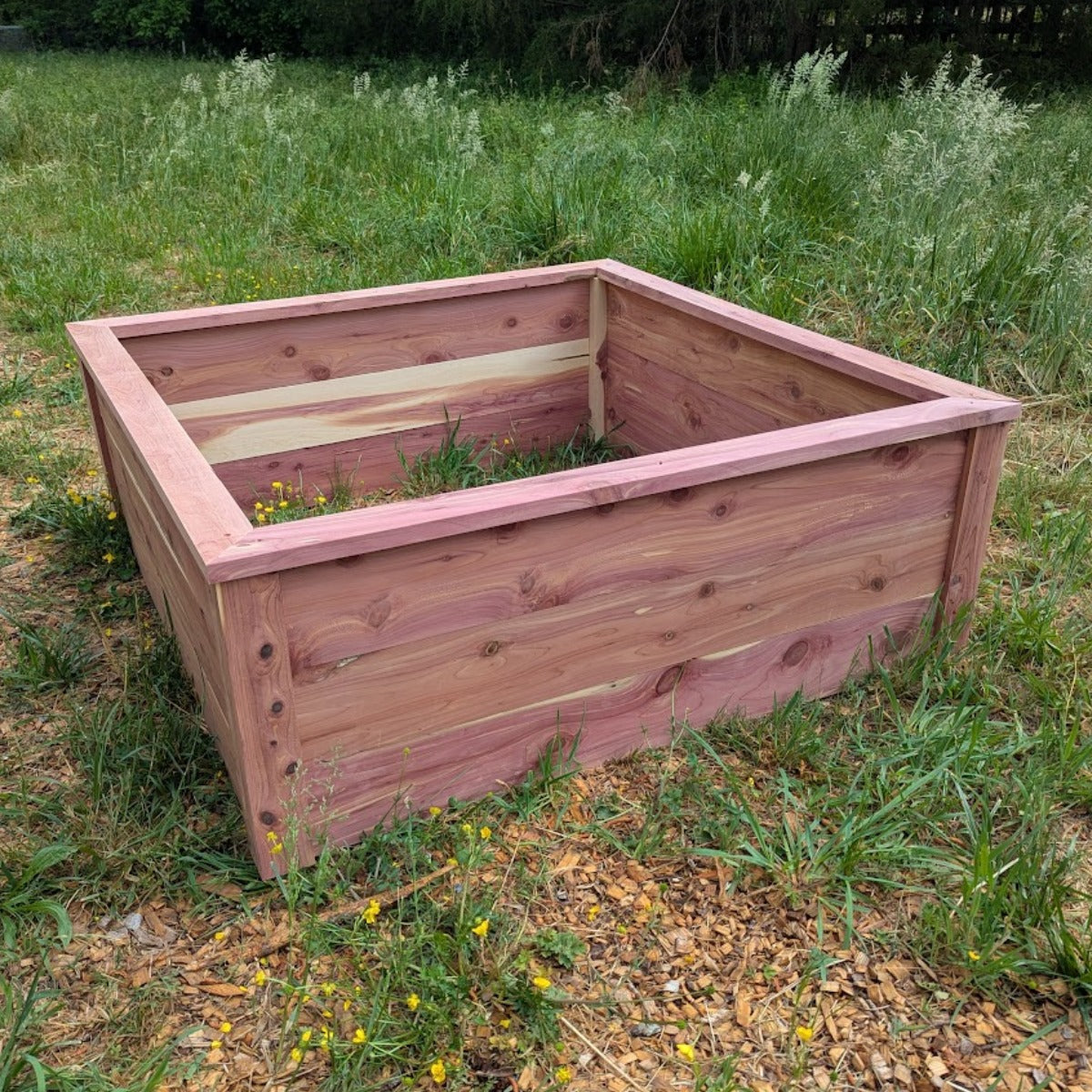
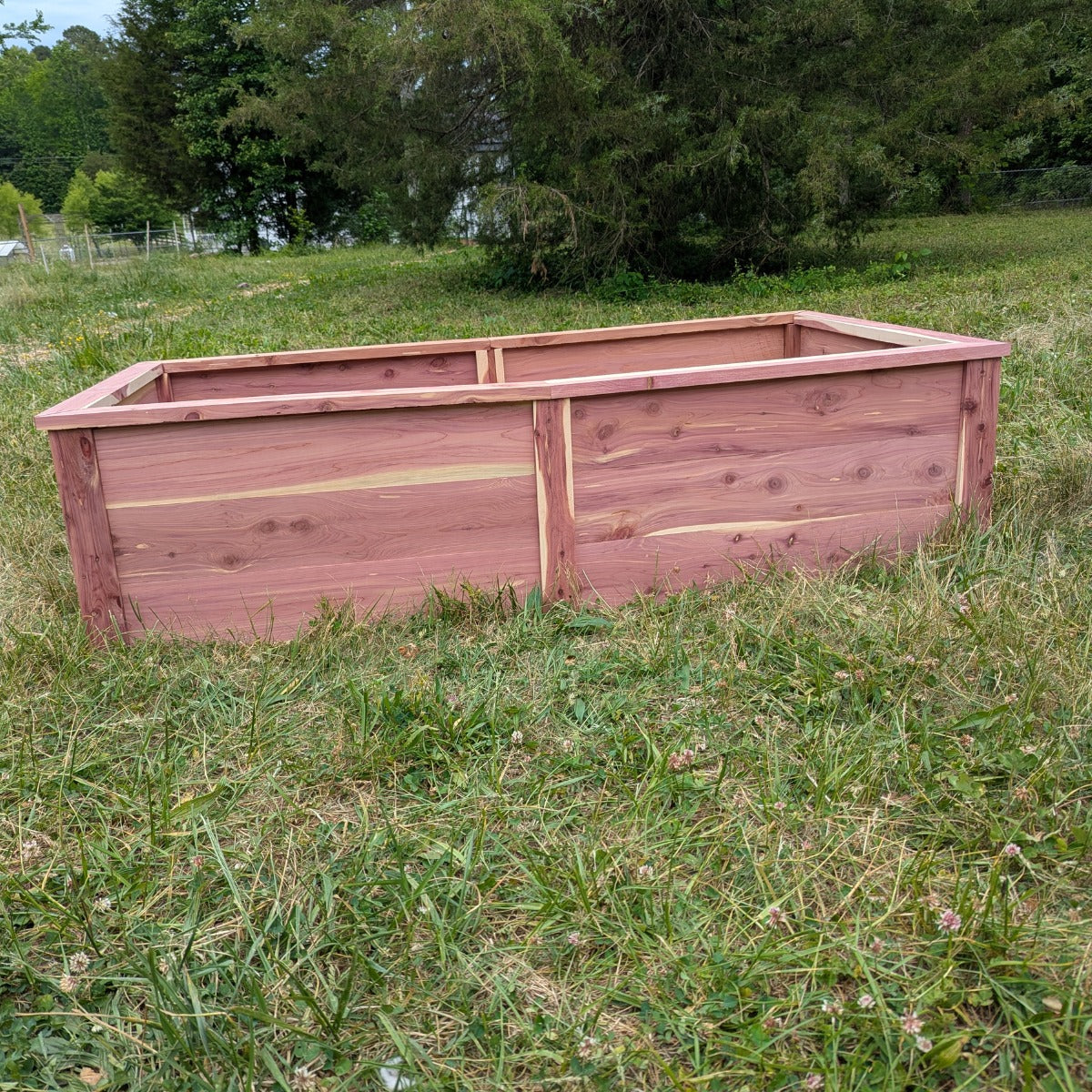

The Heartwood Difference
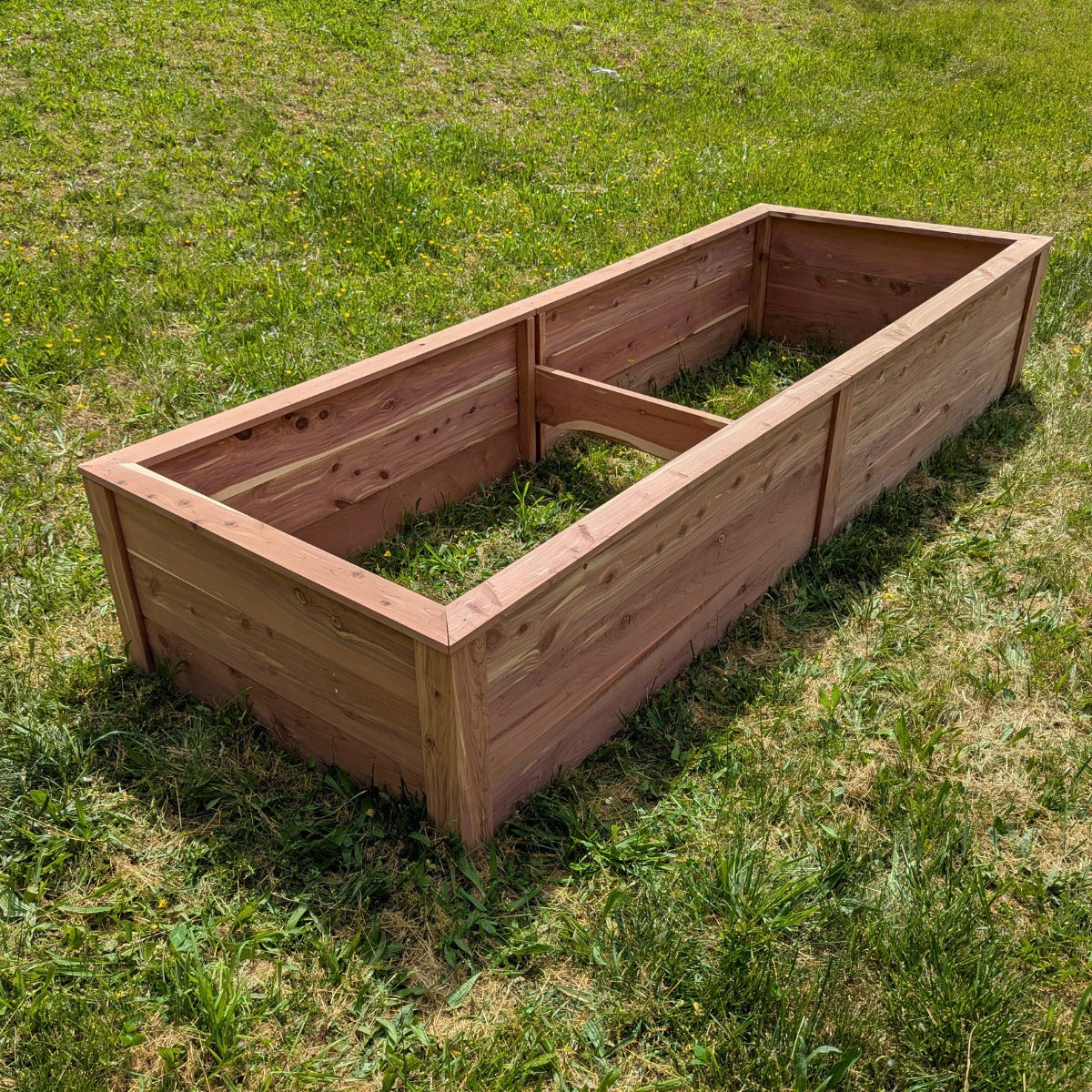
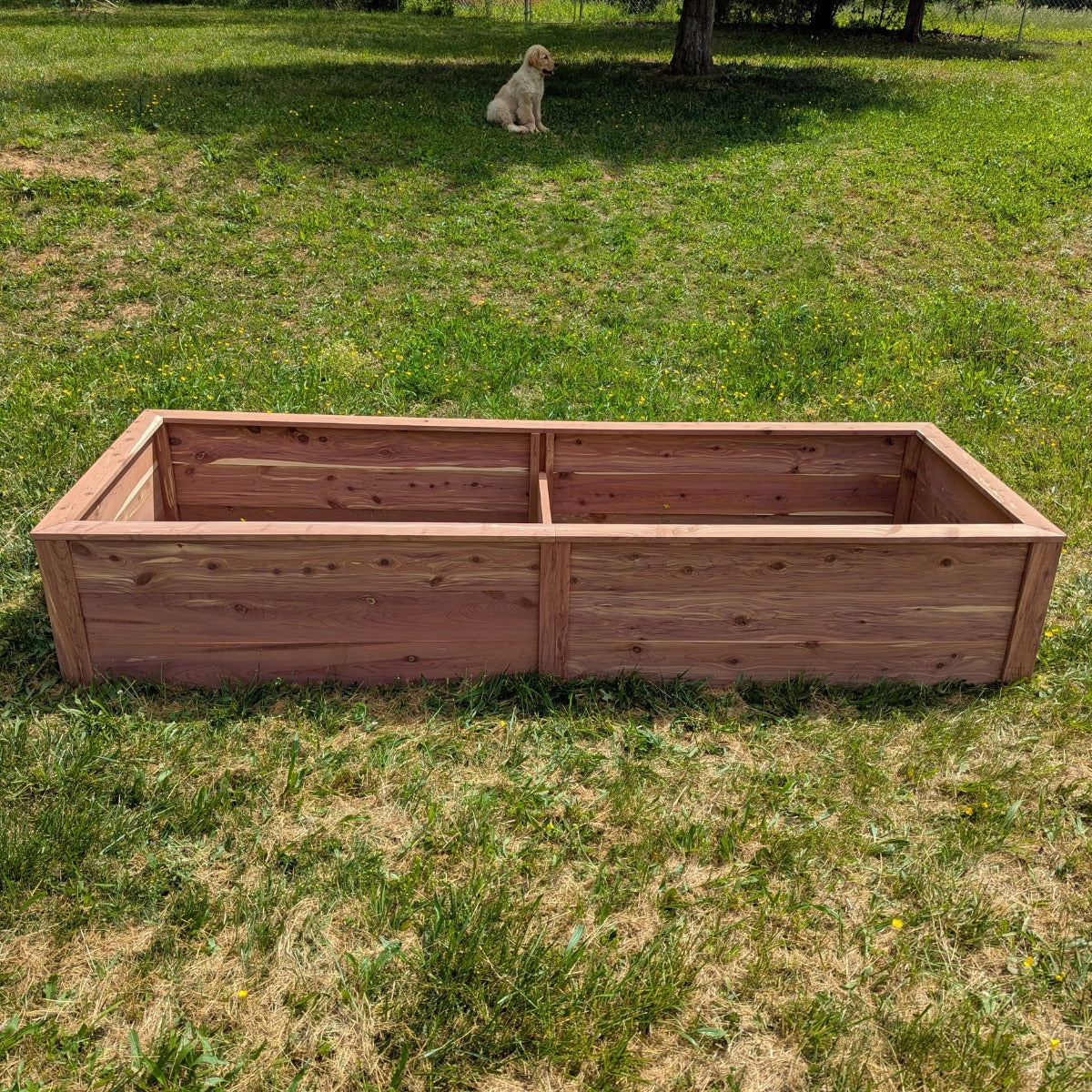
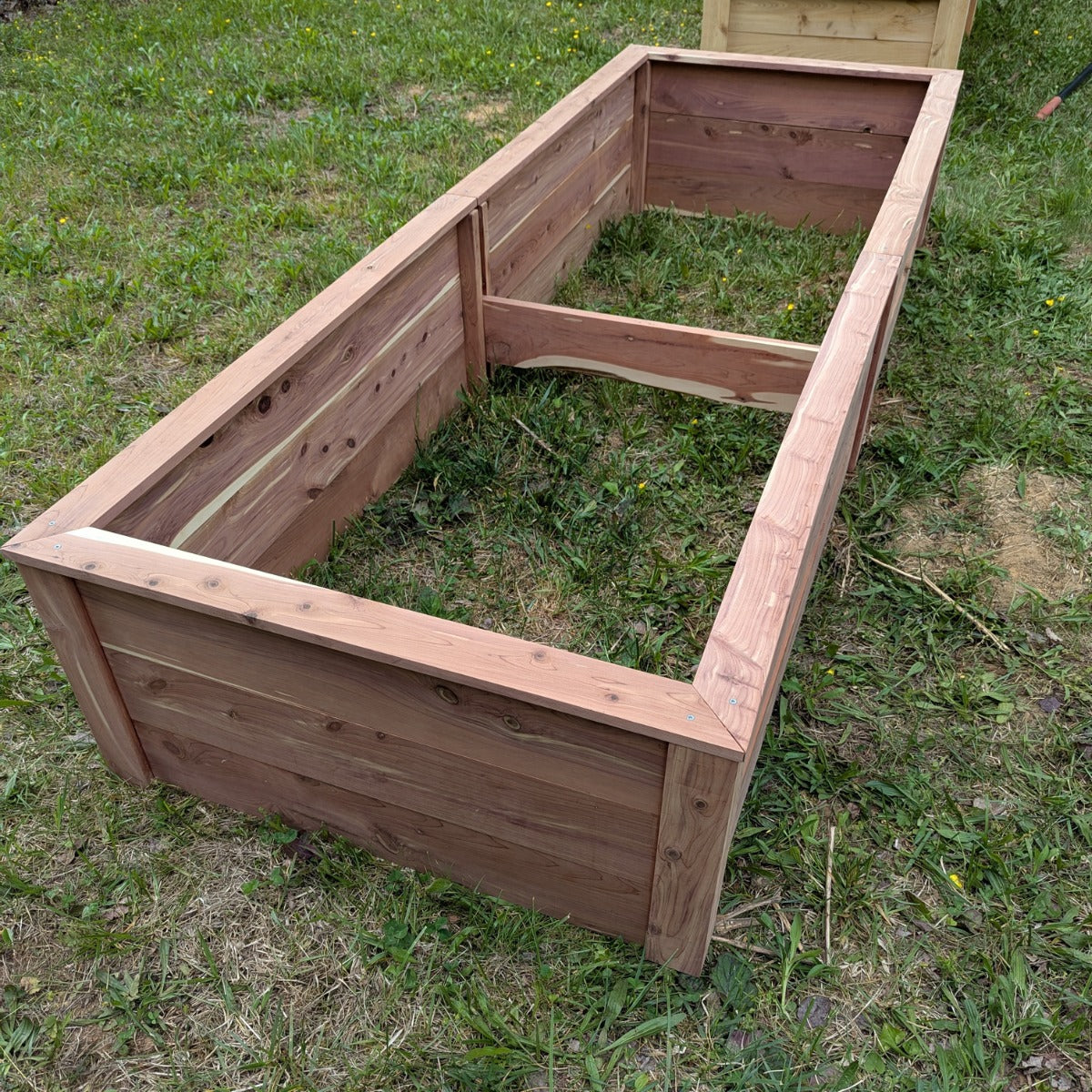
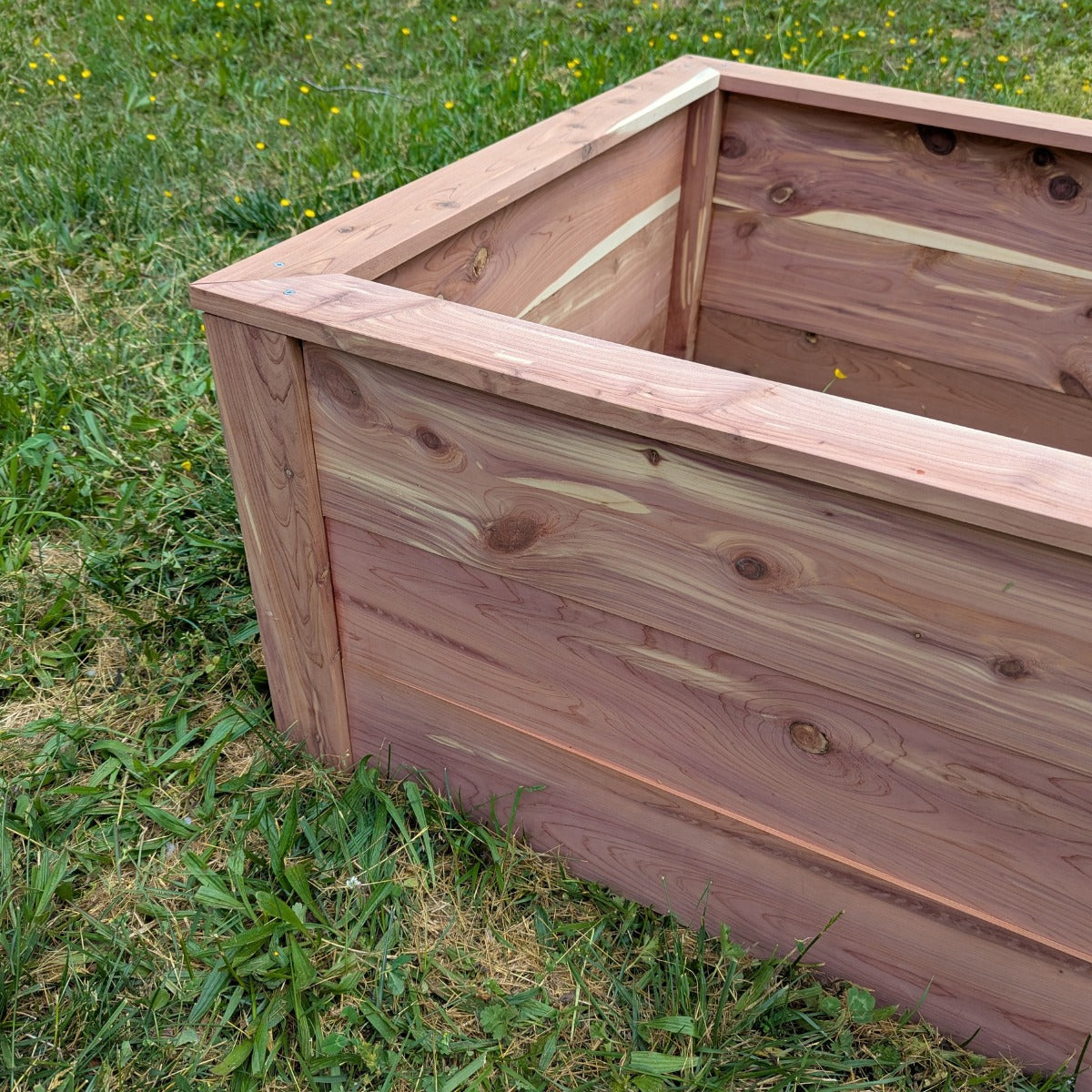
Compare the deep, vibrant crimson of our Eastern Red Cedar to the pale, washed-out Western Red Cedar found in mass-produced kits at big-box stores. That rich red color isn't just beautiful—it's the signature of high-density heartwood packed with natural oils. While hardware stores often use lower-grade "white cedar" or thin Western varieties
Why Choose Us
-

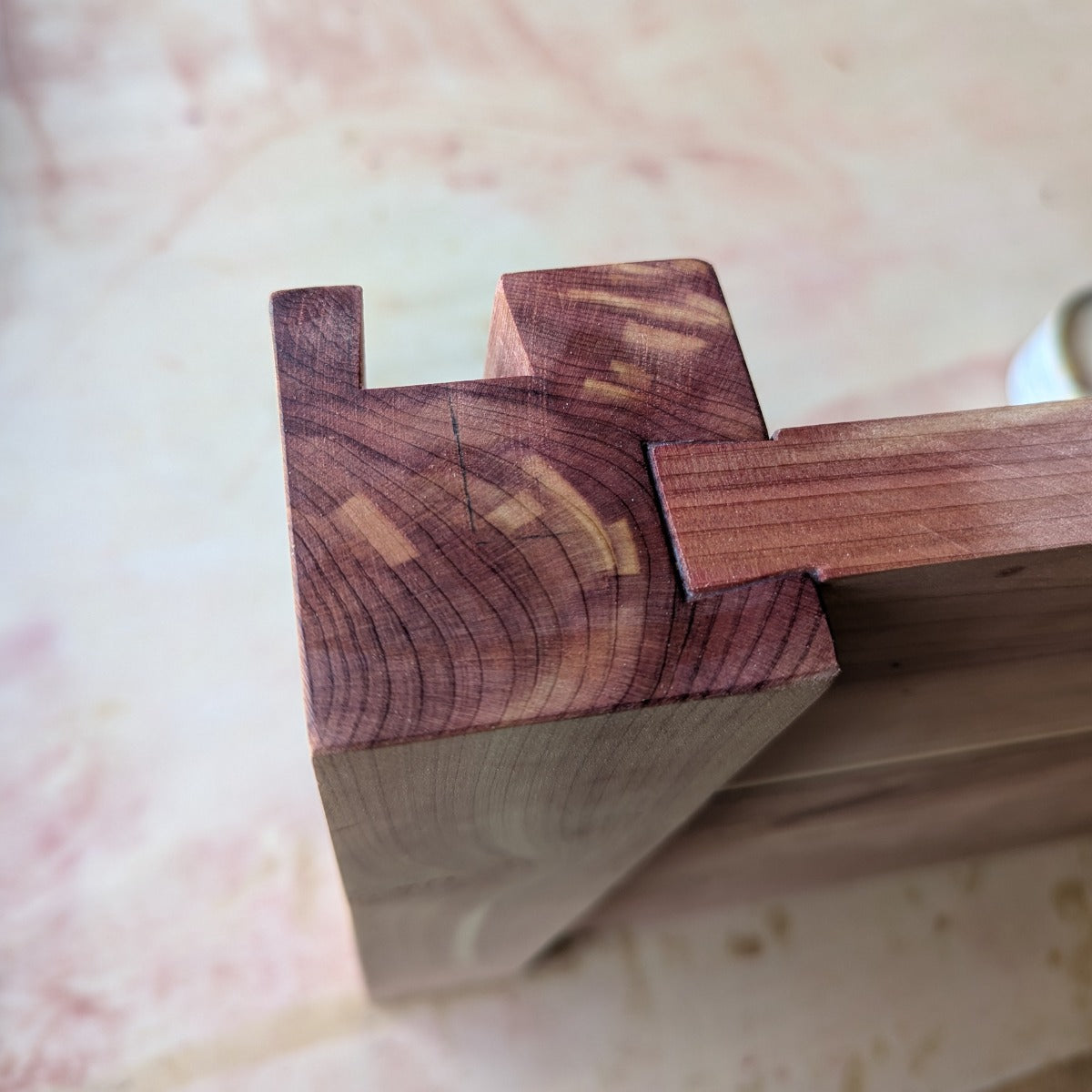
The Power of the Dovetail
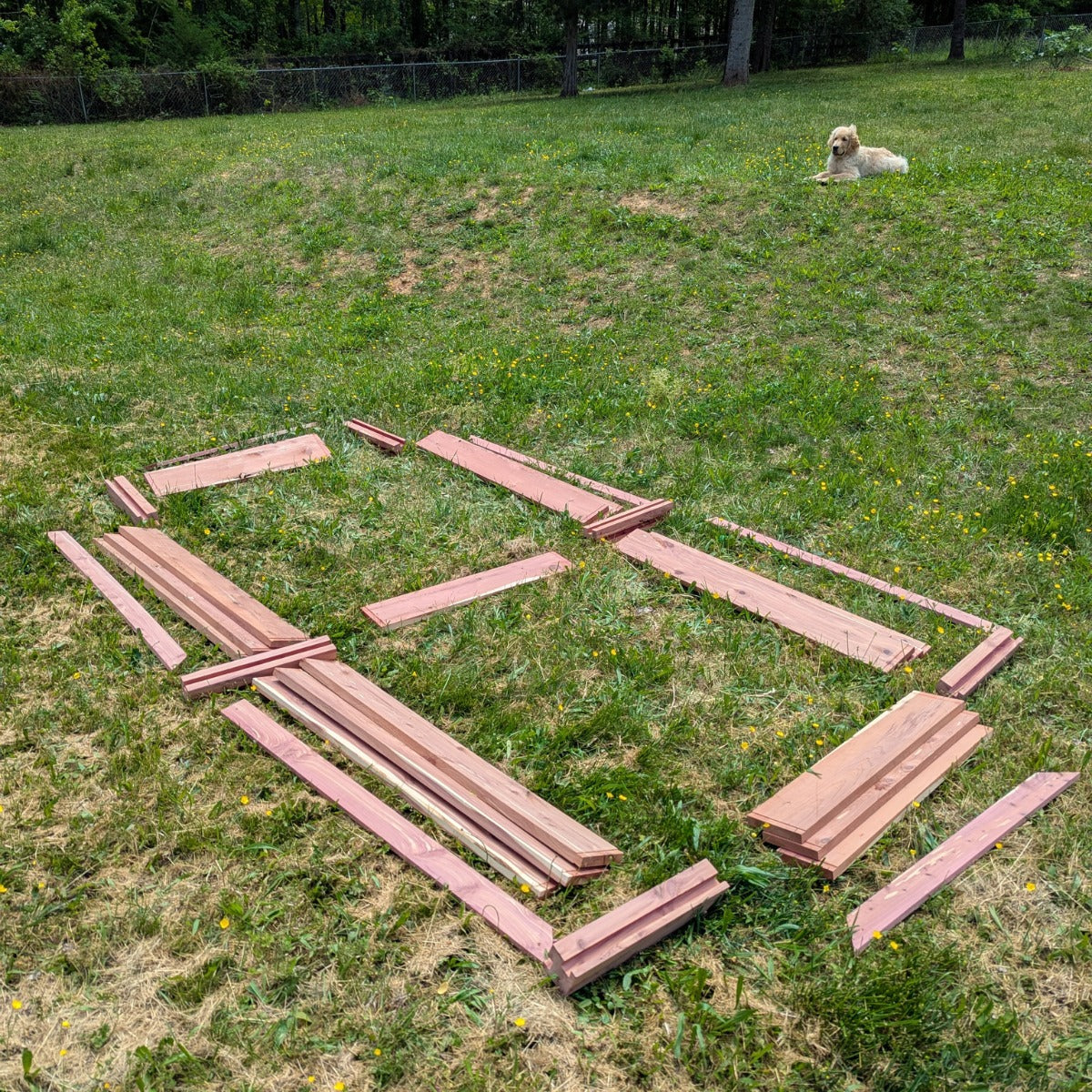
Forget flimsy screws and complicated instructions. Our traditional sliding dovetail joints give the beds unmatched strength while allowing the main frame to slide together completely tool-free in just minutes.
-

Locally Sourced
We believe in keeping things local. All of our Eastern Red Cedar is harvested locally and sustainably barn air-dried, reducing our carbon footprint while supporting local forestry.
-

Built Thicker to Last Longer
Most mass-produced beds cut corners with flimsy ¾-inch wood. We use true, full 1-inch thick cedar boards to prevent bowing, resist warping, and effortlessly hold the heavy weight of wet soil year after year.
-

Why We Air-Dry Our Cedar
Most commercial raised beds use kiln-dried wood which can strip away the very oils that make cedar rot-resistant. Our boards are barn-dried to preserve these essential tannins and natural preservatives. This also significantly reduces the carbon footprint of every bed we build. It’s a slower process, but it’s better for the wood and better for the planet.


